
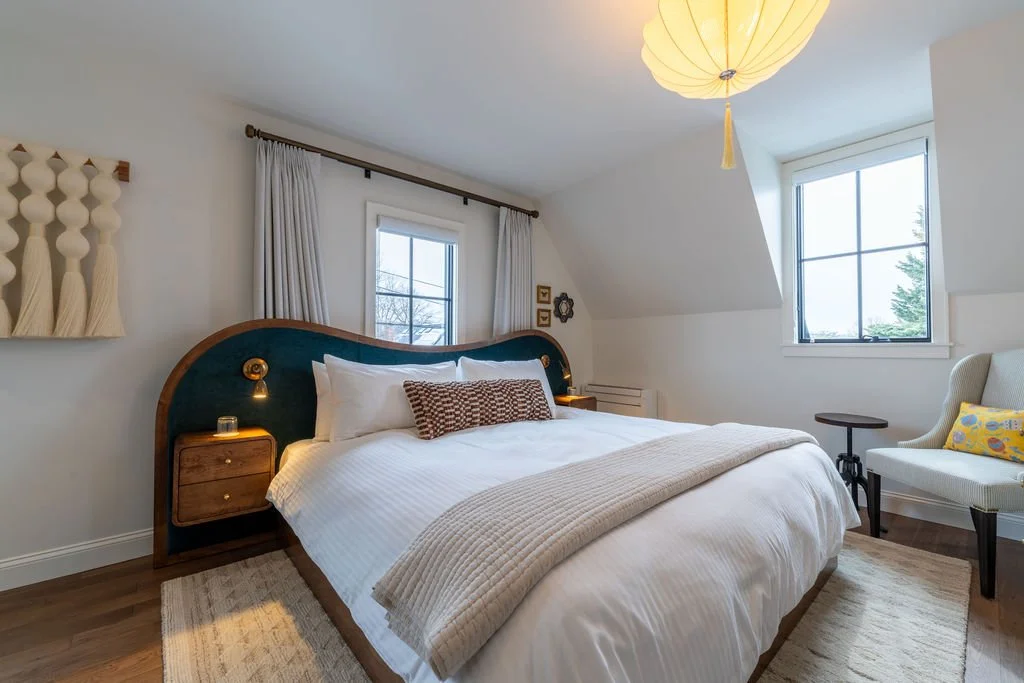
The Builder
The Builder loft celebrates the diverse groups of people who laid the cultural foundation of Kennett Square. It stands as a threshold and tribute to honor the immigrants and freedom seekers who laid Kennett Square’s foundation with their hands, their hope, and their grit.
From William Penn’s vision of refuge, southeastern Pennsylvania became a sanctuary. By the 19th century, Kennett Square was a known stop on the Underground Railroad, a haven for those escaping bondage. Among them was Joseph Carter, who fled slavery in Virginia, fought in the Civil War, and built a life of dignity here. In 1906, he purchased a home on East Linden Street, in one of the nation’s earliest integrated neighborhoods. Legend has it, he also became Kennett’s first Black mushroom house owner—a story that, verified or not, captures the spirit of resilience that runs through this town.
The 19th century also saw an influx of Irish immigrants who settled in the southern section of Kennett—so many, in fact, that the 1880 census recorded South Street as “Dublin Street.” As the 20th century opened, new builders arrived. Italian immigrants, once quarrymen, turned to the soil when mushroom farming took root. Families like the Cordivanos and Pias transformed a fragile experiment into a thriving industry. John Pia came from Italy at age sixteen and within three generations, he grew Kaolin Mushroom Farms into the nation’s fourth largest producer. Later, Puerto Rican workers came seeking year-round stability, followed by Mexican and Central American families after the 1986 immigration reforms, deepening Kennett’s deeply Latino identity.
Each wave of newcomers brought culture, resilience, and community. Across Pennsylvania, Hispanic-owned businesses have surged by 50% in the past decade, and given the strong Hispanic presence in the Kennett region, that entrepreneurial momentum is almost certainly reshaping Chester County as well.
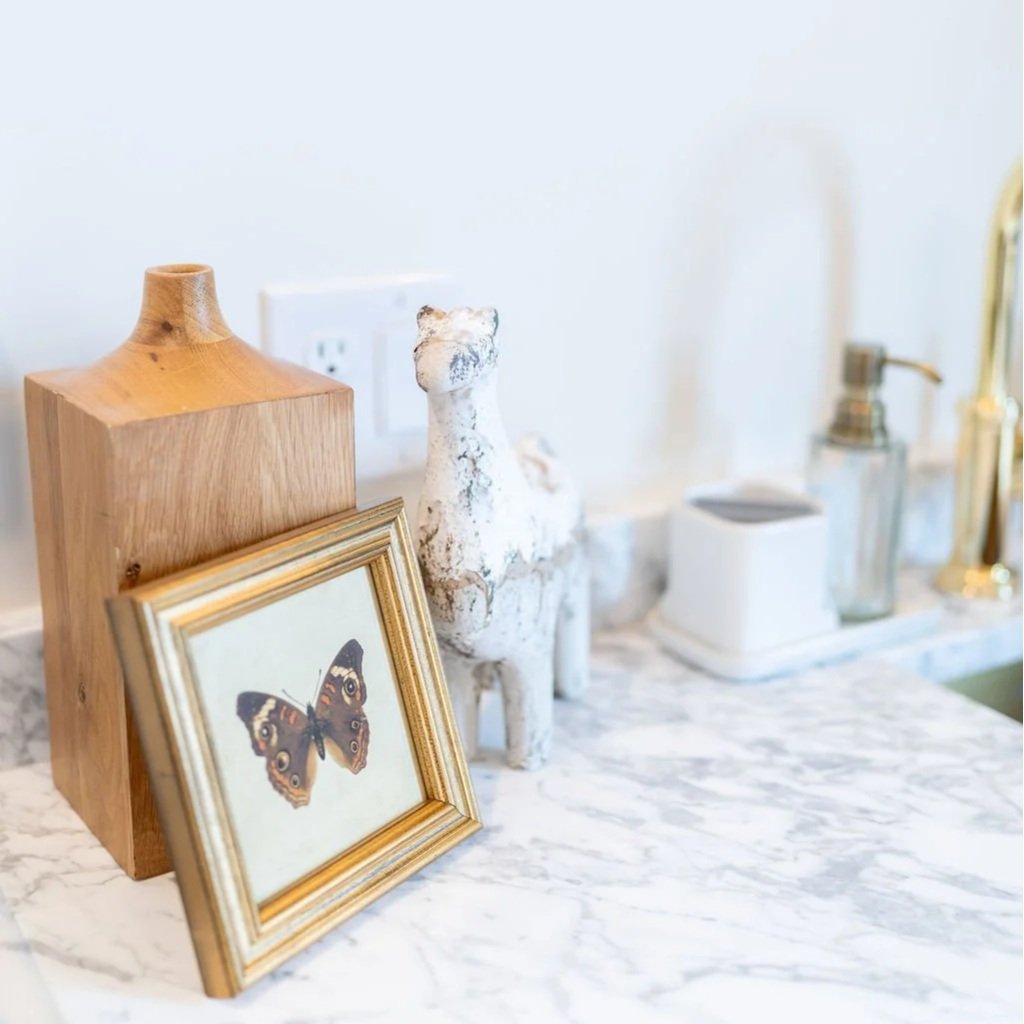
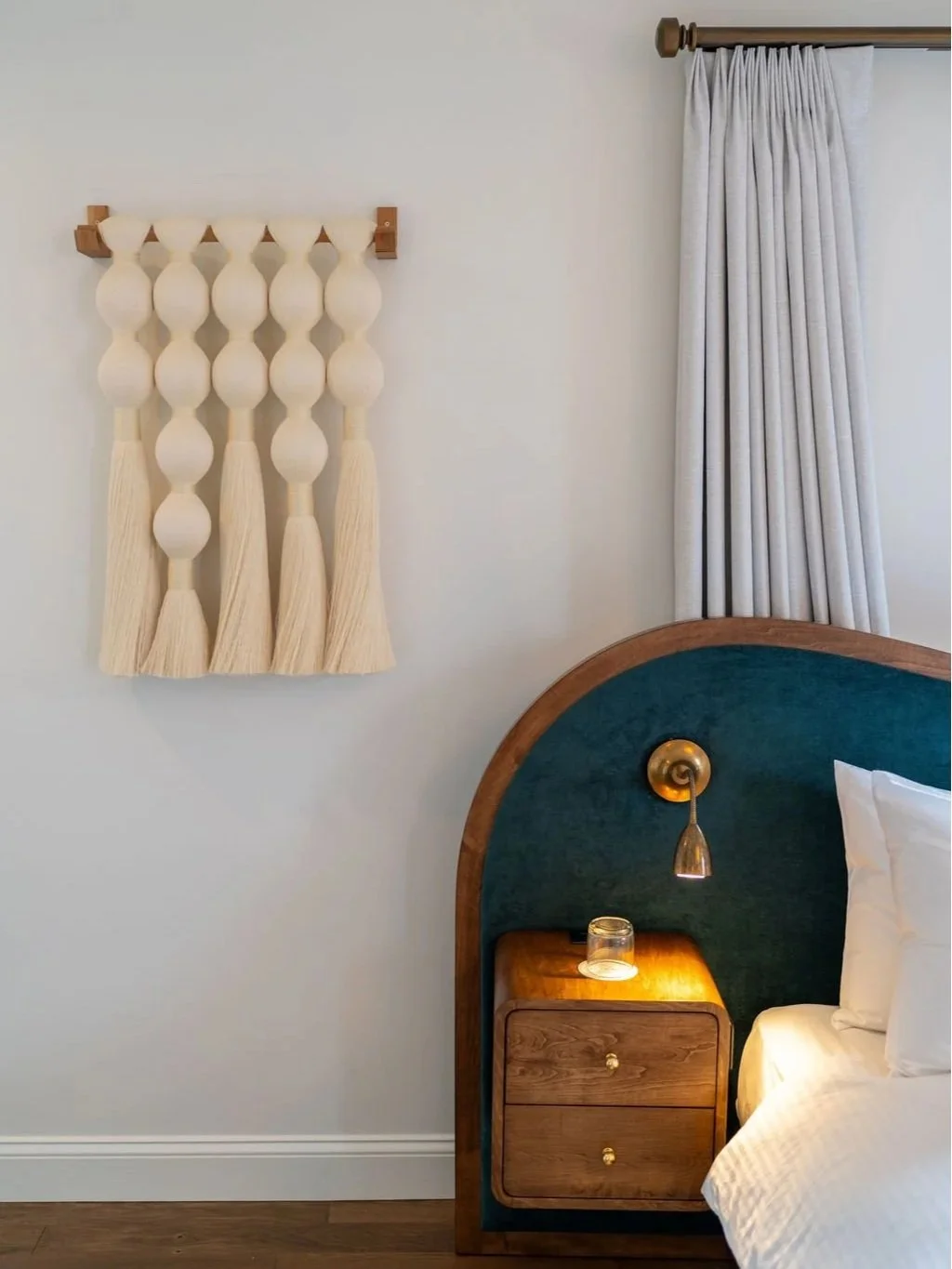
Kennett Square is not merely a town of workers. It is, and always has been, a town of builders. The Builder loft captures that spirit in its design: woven patterns, earthy ochres, bold indigos, and warm woods. These textures speak to lives built on hope and the enduring legacy of those who turned hard work into lasting change.