

The Educator
The Educator loft is inspired by the teachers, reformers, and visionaries who believed that Kennett Square’s future could be shaped in its classrooms. From one-room schoolhouses on country lanes to a consolidated district that now serves a diverse community, Kennett’s educational story reflects the nation’s larger journey toward access, equity, and excellence, while remaining deeply rooted in local heroes.

Quaker Samuel Martin was one of the earliest of these builders of possibility. A civic leader, teacher, and school founder, he once owned the home that became The Francis and lived next door. Beginning as a teacher at twenty-one, Martin taught at the Phillips School, where one of his pupils was Bayard Taylor, the Kennett-born poet, travel writer, and Ambassador to Germany who carried the town’s name onto the world stage. Martin went on to establish schools for young women, Kennett’s first public school in 1850, and later Kennett Academy, leaving a network of institutions that nurtured generations of students and proved that great ideas could take root in a small town.
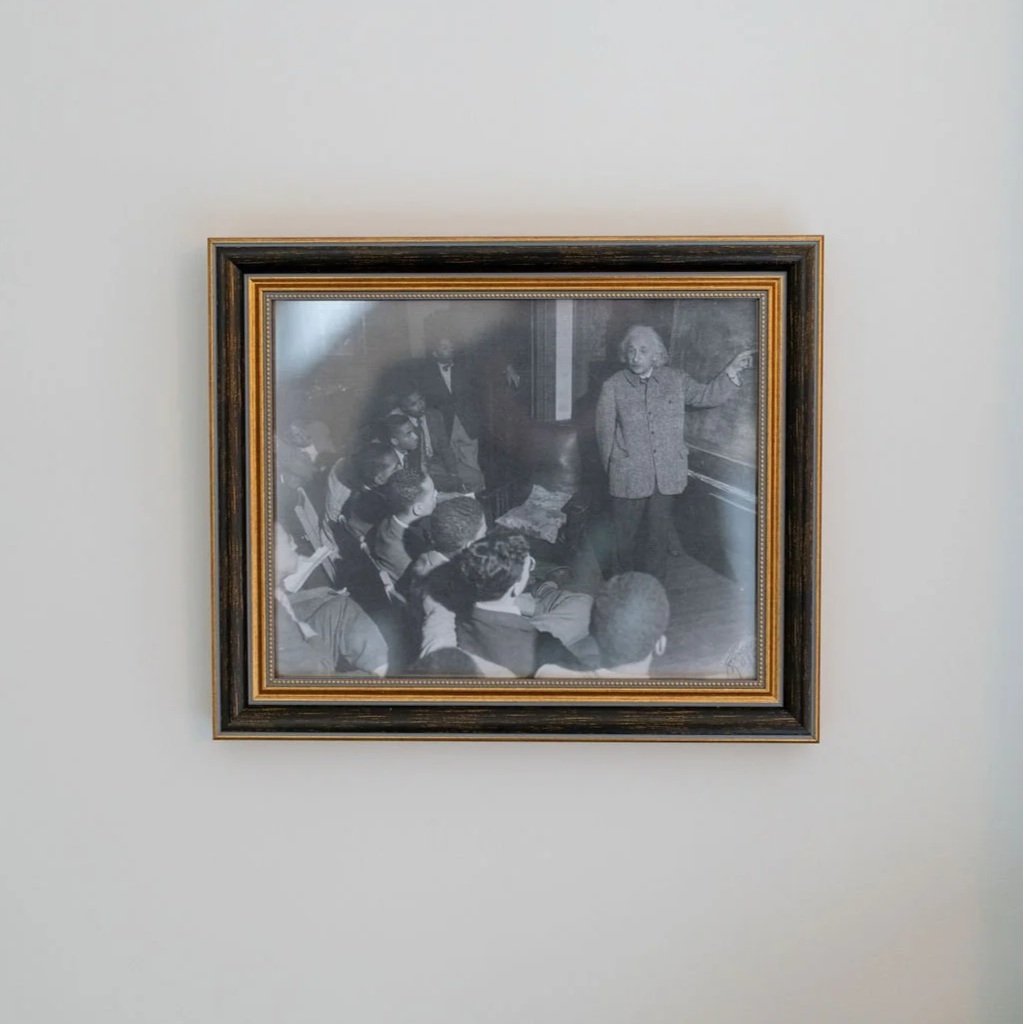
That same reformist spirit extended beyond Kennett to shape two groundbreaking institutions nearby: Cheyney University (1837), the first HBCU in the United States; and Lincoln University (1854), the first degree-granting HBCU. In an era when African Americans were systematically denied education, these schools became beacons of possibility. Lincoln in particular produced national leaders such as Supreme Court Justice Thurgood Marshall, poet Langston Hughes, and civil rights strategist Bayard Rustin, and Cheyney trained generations of Black teachers and professionals. Their presence in the same region as Kennett reflects a shared conviction: education went beyond literature and arithmetic to cultivating justice, dignity, and transformation.
By the early 20th century, the nation was grappling with rural illiteracy, and Kennett once again stood at the crossroads of reform. Industrialist Pierre S. du Pont, who believed school buildings should inspire pride as well as learning, directed his wealth toward modern, consolidated schools. With community support, he helped create Kennett Consolidated School, a facility so advanced it stood unmatched outside Philadelphia, even during the Great Depression. At the same time, du Pont funded ninety schools for African American students in segregated Delaware, and these brick-and-mortar buildings became symbols of hope in an era of inequality.

Education in Kennett has also been carried forward by devoted teachers whose names still resonate. The Lang sisters—Anna, Sara, and Mary D.—each gave their lives to nurturing the town’s children. Mary, known affectionately as “Miss Mame,” spent forty-four years in the classroom, often as the very first teacher Kennett children encountered. Her retirement was celebrated with “Miss Mame Day.” Today, the Mary D. Lang Kindergarten Center carries her name, ensuring her legacy of warmth and dedication lives on with every new generation.
Taken together, visionaries like Martin, voices like Taylor, reformers like du Pont, pioneers at Cheyney and Lincoln, and caretakers like the Lang sisters tell a story that has long made Kennett Square a place where classrooms are for instruction, leading to transformation. To educate is to believe in unseen potential, whether that’s in a child, a town, or a future.
In the two-story Educator loft, structured and thoughtful tones of chalkboard green, worn wood, and mulberry celebrate connectivity, strength, and hope. It’s a reminder that Kennett’s greatest legacy stretches beyond what it has built to what it has inspired, what is yet to be.