
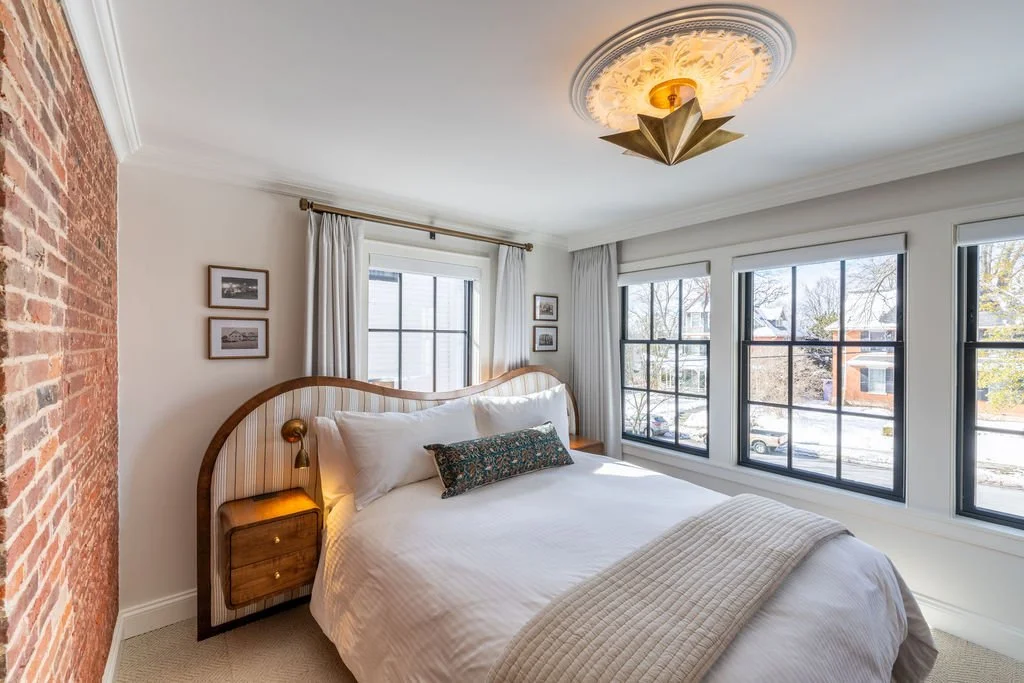
The Legacy
The Legacy suite is inspired by story of the Pennock family against the backdrop of Kennett Square. Over the course of a century, four generations built their lives and made an impact far beyond this corner of Pennsylvania. Beginning with Moses Pennock, a visionary entrepreneur and justice advocate, this family wove a rich tapestry of innovation, courage, and even baseball.
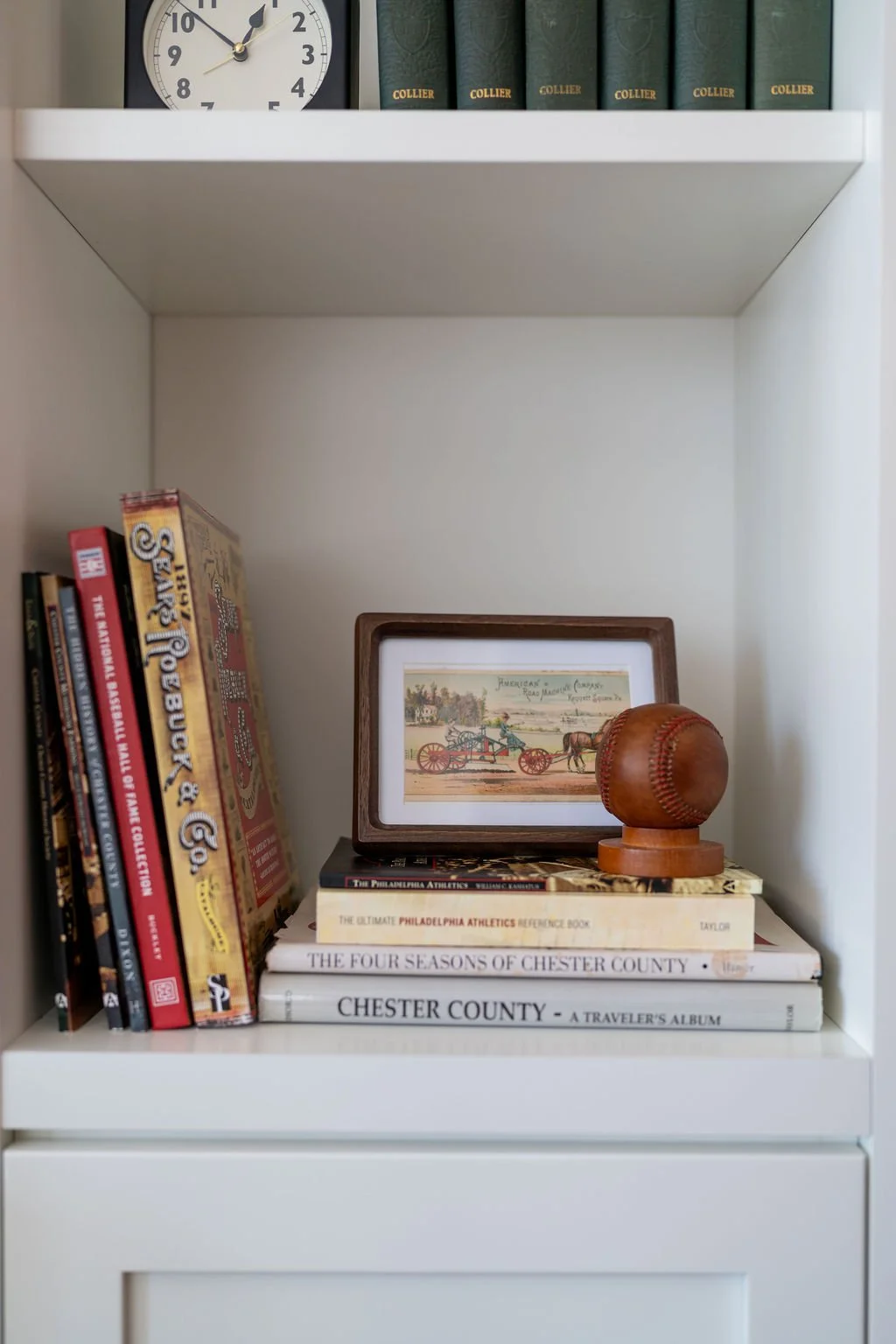
Moses Pennock was a 19th-century Quaker abolitionist who pioneered advancements in machinery and stood firmly for justice. Alongside other Quaker families who were disowned for their radical abolitionist stance, he helped establish Longwood Progressive Meeting (now located on Longwood Gardens’ property).
A delegation from this Meeting House met with President Abraham Lincoln several months before the Emancipation Proclamation, urging him to abolish slavery. Families like the Pennocks provided shelter and support to freedom seekers on the Underground Railroad, forming a vital link between the renowned stationmaster Thomas Garrett in Wilmington and William Still, a Black stationmaster in Philadelphia. Harriet Tubman passed through the Kennett area more than once, relying on the bravery of families like the Pennocks.
Moses’s son, Samuel Pennock, carried this torch of justice even further. One local story recounts Thomas Garrett leading an escaping freedom seeker, disguised in Mrs. Garrett’s Quaker gown and bonnet, right past a searching constable. Garrett claimed he was taking his wife to Meeting, when in fact he was delivering the freedom seeker to Samuel Pennock’s home, where many others had found shelter.
As an entrepreneur, Samuel advanced agricultural equipment manufacturing and hosted many leading abolitionists at his home on East Linden Street. The house became a gathering place for activists including Frederick Douglass, Sojourner Truth, Lucretia Mott, Harriet Beecher Stowe, William Lloyd Garrison, and Susan B. Anthony, reinforcing the family’s deep commitment to equality and justice.
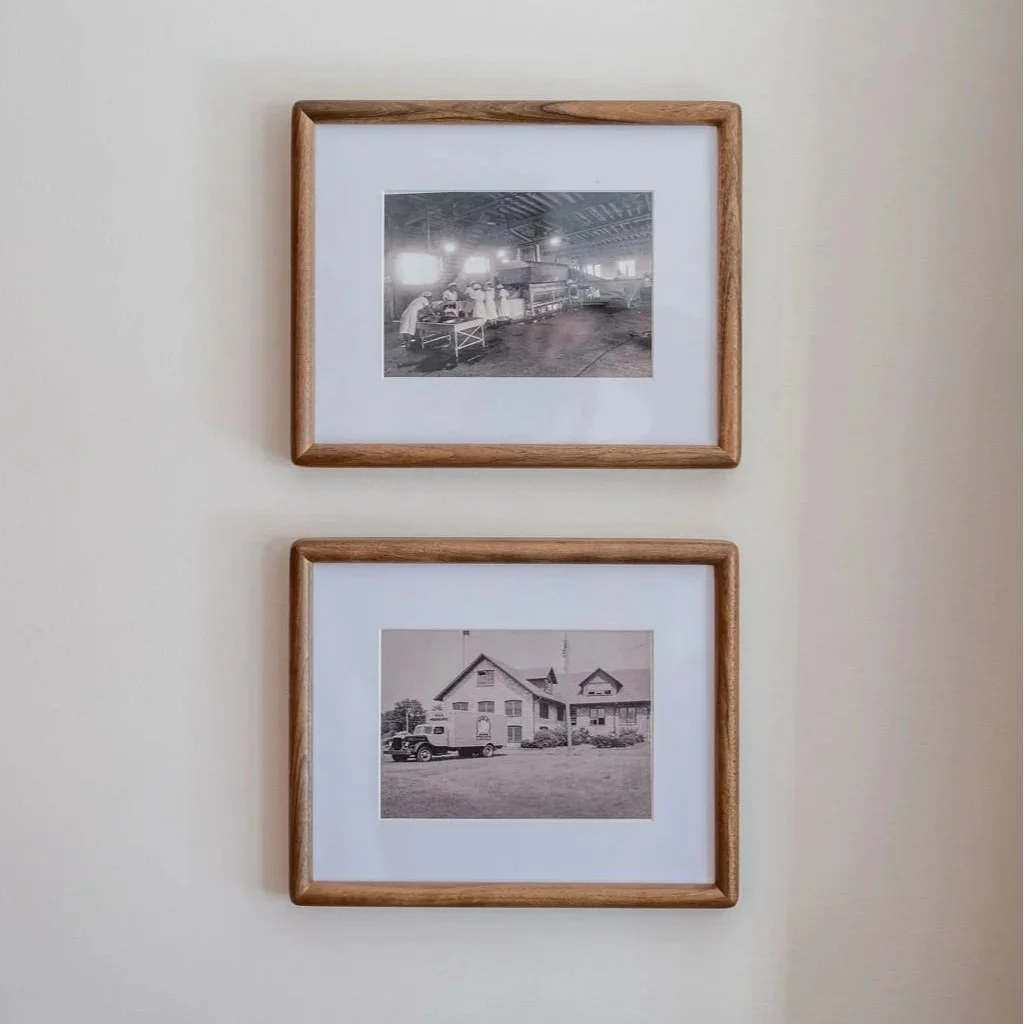
Samuel’s son, Theodore Pennock, branched into new ventures. He helped establish the Kennett Electric Light, Heat & Power Company in 1893 and founded the Eastern Condensed Milk Company in 1902 (now the site of The Creamery of Kennett Square Beer Garden & Restaurant). He served in the Pennsylvania House of Representatives during the 1913–1914 session, contributing to both local industry and public life.
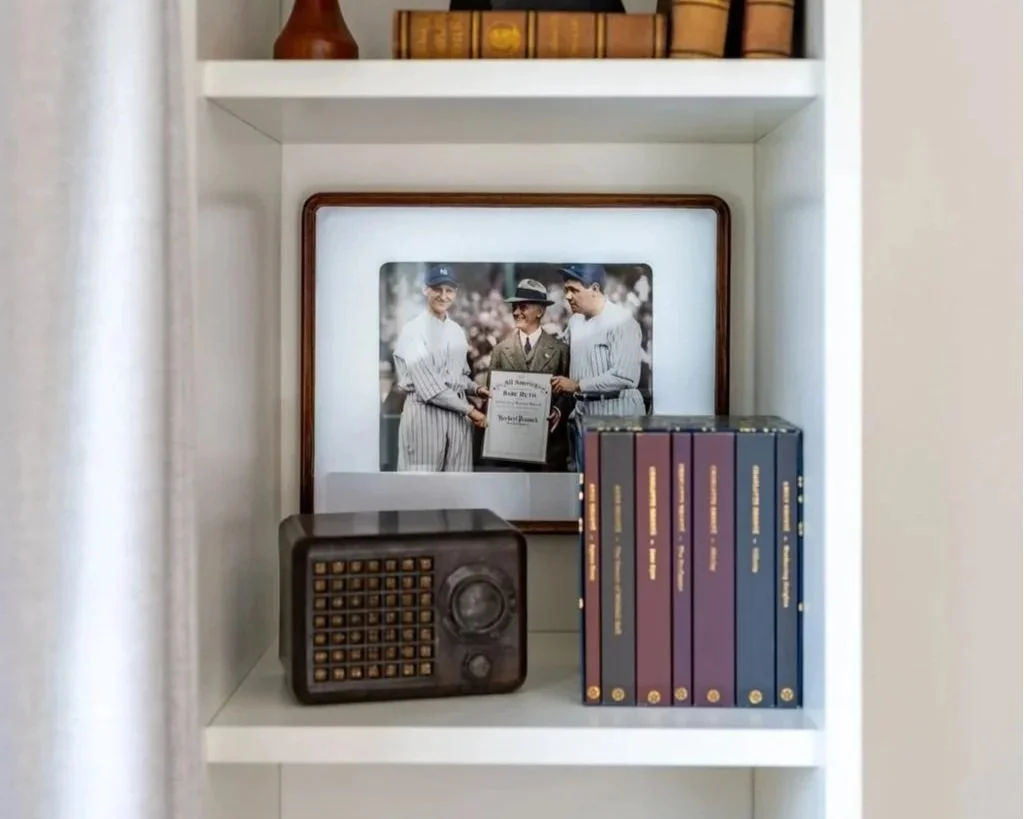
Perhaps the most famous Pennock is Theodore’s son, Herb Pennock, who made his mark on the baseball field. A left-handed pitcher for the Boston Red Sox, Herb was sold to New York Yankees shortly after Babe Ruth, who became a close friend, often joined him for fox hunts at the family’s Kennett farm. In his first season with the Yankees, Herb pitched the winning game of the 1923 World Series, the team’s first championship. He remained with the Yankees for 10 years, won three World Series titles, and was posthumously elected to the Baseball Hall of Fame.
After retiring from playing, Herb became general manager of the Philadelphia Phillies. However, his legacy is not without controversy. In 1947, during Jackie Robinson’s first season in Major League Baseball, the Phillies’ manager and several players taunted Robinson with racial slurs. Herb, then GM, did not discipline those involved. While the extent of his direct involvement remains unclear, his inaction stood in contrast to his family’s proud history of civil rights activism.
The Legacy suite invites guests to explore the story of one family while spending time in Kennett Square as a family. Touches of cream, hunter green, barn red, and aged denim pay homage to the Pennock family, who left behind a legacy of entrepreneurship, supporting those in need, and a love for America’s favorite pastime.